Add your promotional text...

[VIG#R-04] Full Status, Testing & Release
A full development status update — what's been built, what's being tested, and when Vigilum launches.
VIGILUMDEVLOGS
6/15/20263 min read
Vigilum has been in active development for several months now. Progress has been steady — and while external communication took a back seat to actual development, the game has come a long way since the last update.
This entry covers the full state of the game as it stands today: every major system, how it works, and what it means for the player experience. Consider this the most complete picture of Vigilum before it reaches your hands.
Cosmic Framework
Vigilum is built on top of Cosmic — a custom game framework developed in-house that serves as the foundation for everything in the game. Rather than relying solely on Unity's default systems, Cosmic provides a structured and consistent pipeline that every element of the game passes through: entities, interactions, world simulation, persistence, and more.
At its core, Cosmic defines how objects and characters exist and behave in the world. Every interactable — from a door to an alchemy station (Vigilum-specific, of course) — follows the same interaction pipeline, meaning the player always has a consistent and predictable way of engaging with the world. Entities, whether that's the player or Dr. Hayden, are built on a shared base that governs their stats, states, and behaviors.
This approach has two major benefits for Vigilum. First, it keeps the game consistent — systems talk to each other in a structured way, which reduces unexpected behavior. Second, it makes the game scalable — adding new interactables, characters, or mechanics follows an established pattern rather than being built from scratch each time.
Cosmic is not Vigilum-specific. It is a framework designed to power multiple projects within the same universe — Vigilum is the first.
Systems & Mechanics
The game features a wide variety of systems, all fully implemented, tested, and functional
Core
The foundation of Vigilum's gameplay. Core systems are the building blocks everything else depends on — alchemy stations, the sigil framework, the shrine, the ritual site, and the resource pipeline. Herbs, timber, and limestone are the raw materials the world runs on. They're gathered, processed, and consumed across crafting, brewing, and sigil-casting. Without these systems functioning, nothing else does.
Game Loop
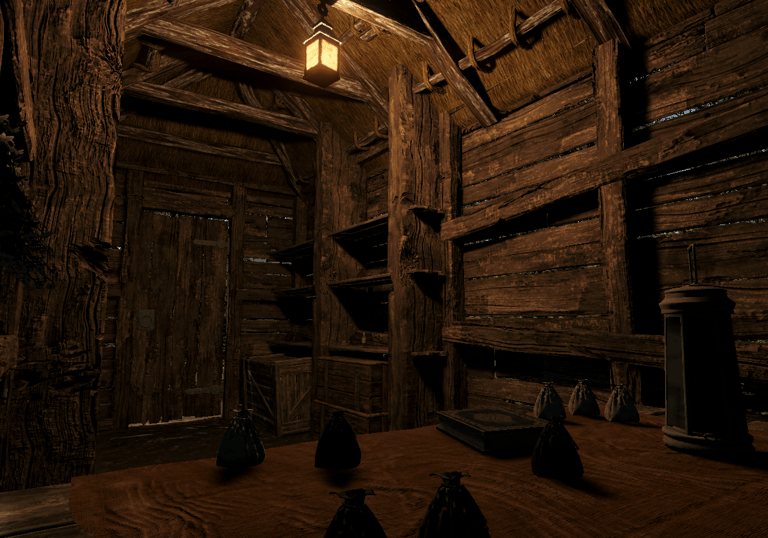
What the player actually does, every single day and night. The day/night cycle drives the rhythm of play — mornings for gathering and crafting, nights for survival. The ritual must be attended each night. Offerings must be placed at the shrine before the hour locks. Needs decay constantly, forcing the player to eat, sleep, and manage resources without losing sight of Hayden. Every night is a new iteration of the same core tension: prepare, execute, survive.
Everything that makes Vigilum feel like more than a collection of systems. Dynamic music and ambiance shift with the time of day and Hayden's proximity. Paranoia effects, mood states, and visual feedback blur the line between what's real and what isn't. Quest logs, navigation markers, and tutorials guide without holding hands. And yes — you can brew tea, smoke a pipe, and read lore documents that have no mechanical purpose whatsoever.
Miscellaneous
Player
First-person controller with a hybrid interaction system. Physics-based for large objects (drag to move, mainly for doors) and IK grab for small objects (most items in the world). A secondary focus on nourishment and energy, they must be managed each day to avoid penalties that affect gameplay.
Dr. Hayden
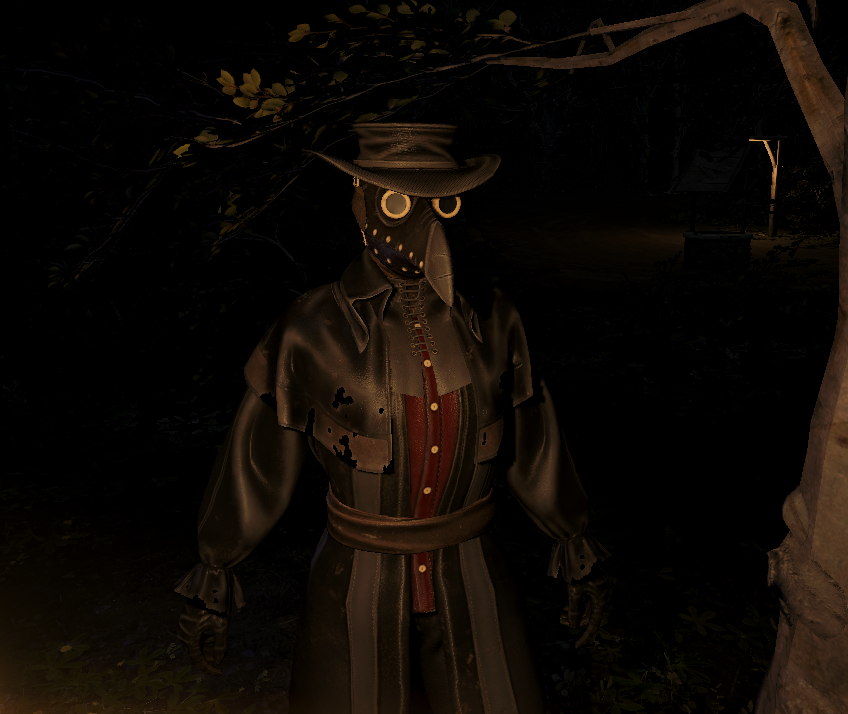
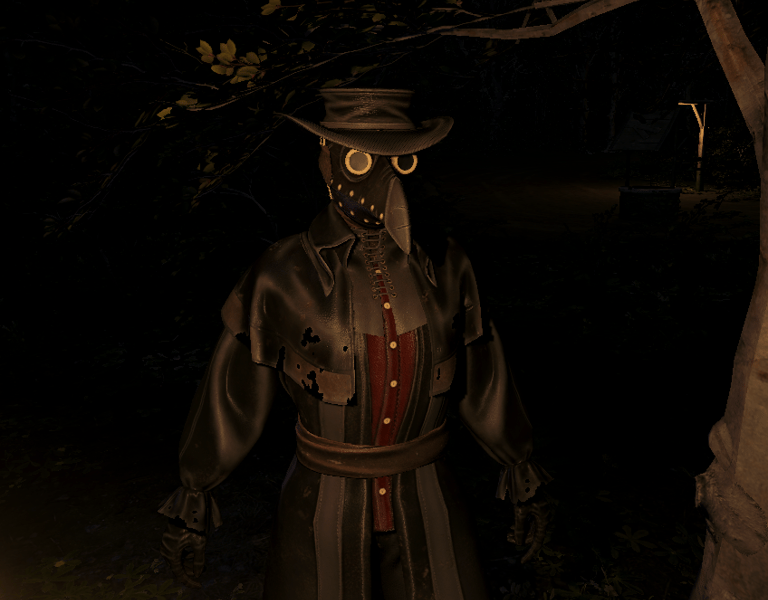
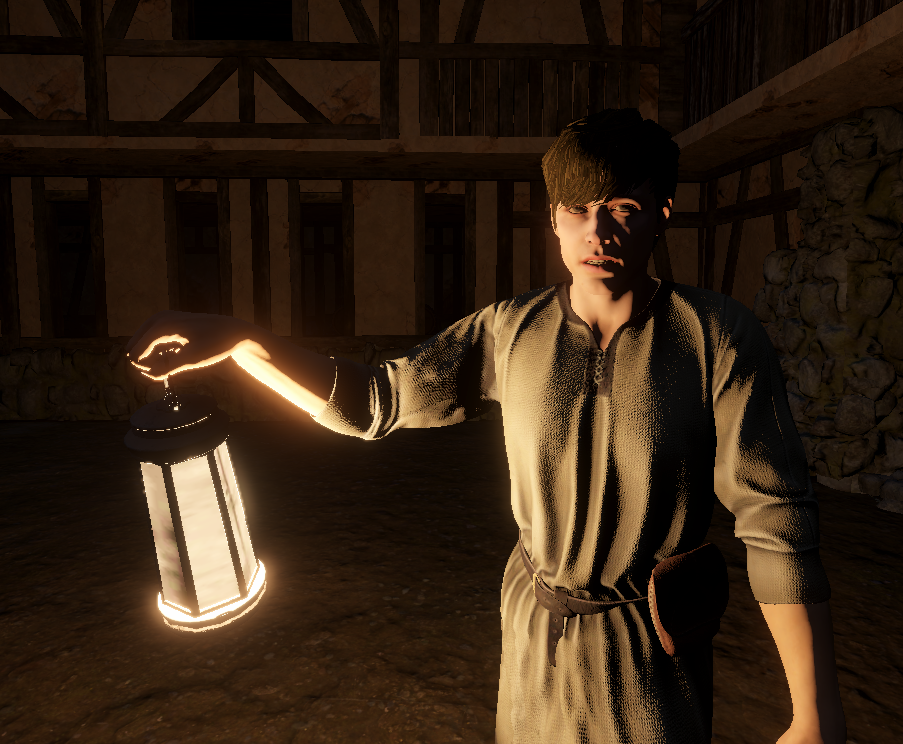
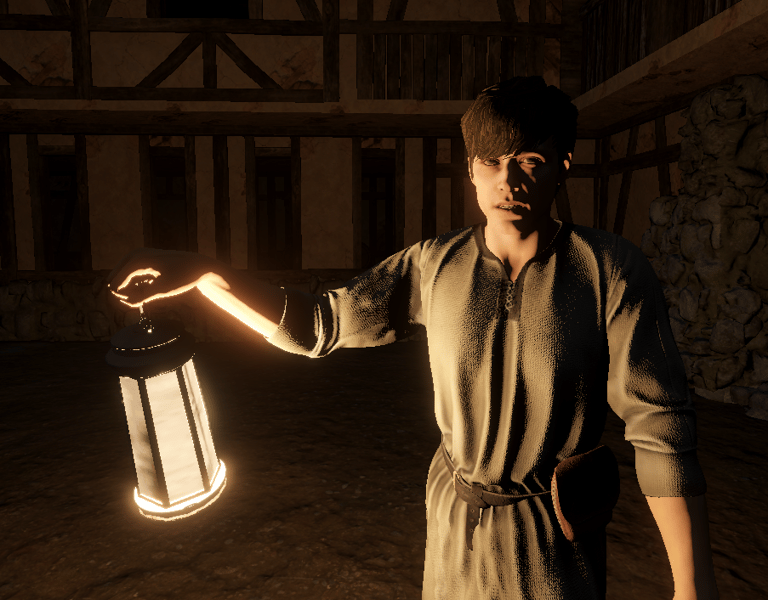
The antagonist of the game. Hayden is the current focus, balancing his abilities and strategy. His main goal is to prevent the completion of the Ritual — by eliminating you. He will remember where he saw you and pursue you by whatever means necessary. And yes, there is a lore explanation for why a 17th-century physician is hunting you in 1351.